Posts

Native Plants of Oklahoma
Image
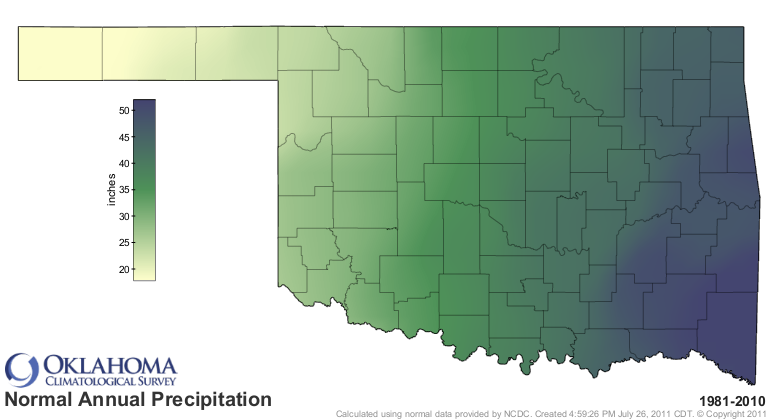
Many states in the US have similar climates and similar native plants. As in many locations across the country, Oklahoma's native plants have paid no attention to the state borders invented by legislators and are identical or similar to those found in other locations. The entire state is part of the drainage basin of the Mississippi River. In northeast OK, the types of plants that thrive are different from those that thrive in southeast, northwest and central parts of the state. Here the average annual rainfall has historically been 40-inches or more. Elevation Map The Muskogee/Tulsa area is just a few hundred feet above sea level. Temperatures averages also vary widely across the state. Naturally, our native plant varieties, frequency and bloom times also vary. Yesterday a group of Oklahoma Native Plant Society members, friends and guests were invited by Pam and Randy Ledford to walk a slice of their beautiful property near Pawnee OK. Several knowledgeable members...

Free pollinator posters - at this link

PDFs of pollinator plants for various soil types are at http://www.pollinatorsnativeplants.com/plant-lists--posters.html Click on the link to open. Click on PDF and print 8.5 by 11 for yourself, your classroom, your children, your grandchildren.

Azaleas! Plant them this spring

Image
April is Azalea season in our growing zone 7 with landscapes and parks in full bloom everywhere we go. The southern states had their full bloom season last month and Oregon will get to celebrate the beauty of Azaleas next month. The big box stores, garden centers and nurseries are loaded with a wide variety of container-grown Azaleas for your garden and this is the ideal time to plant them. But with so many sizes, colors and varieties to choose among, making the right choices can be challenging.  Encore re-blooming azaleas at Lowe's While most of us look at color as our first criteria, there are other qualities to consider such as size at maturity, length of bloom time, and the ideal location to ensure long-lived beauty. Azaleas are close cousins of Rhododendrons and many garden books, websites and catalogs still put them together in the same section so look for them there when doing your research for the perfect plants. They are so close, in fact that growing in...

Tulsa Garden Club Spring Tour

The details have arrived so now I can tell you everything you need to know about the Tulsa Garden Club's 2015 Spring Tour. Saturday April 25 from 10 am to 5 pm. Tickets are $10 Start at any garden 4 private residence gardens including 1818 East 43rd ST Featuring herbs, evergreens 2618 E 40th ST Featuring dry creek beds, sculptural plants, succulents 3030 S Yorktown Featuring Azaleas, dogwoods, holly, hostas, roses 2932 S Woodward BL Featuring Laurels, dogwood, acer, hydrangeas, roses, rock garden, viburnum yews The proceeds from the tour benefit Tulsa Garden Center projects.

Wild Black Cherry tree is Prunus serotina

Image
Prunus serotina, wild black cherry tree Wild black cherry trees have been added to our fence line in two places, thanks to wildlife. No more, please. Considered junk trees by many, we allow these two because they provide early pollen for many insects and late little berries for birds. Of course, the birds like those cherries so much that they replant and replant with abandon. This plant is one of the pioneer species, mostly growing where black walnut, hackberry and black locust trees proliferate. The tree was introduced as an ornamental and since the seed germination rates are very high, it soon became naturalized until today it is considered undesirable or invasive, which ever word you prefer. Wild Black Cherry is host to caterpillars who eat its leaves. If the leaves are crushed, they smell like cherries . Eastern OK is at the far-west portion of its habitat , probably because of our normal rainfall being high. West of the OK/AR state line there is nothing on the gra...

Wild Plum - Prunus angustifolia, Purnus Americana, Wild Plum - Spring flowering shrubs and trees

Image
Native plum tree bark As I walk around our yard in the morning with camera in hand, I see many lovely little and mid-size plants that I can no longer exactly identify. Did the birds plant that or did we? I thought these were little native plum trees, Prunus Americana , that we planted along the south fence-line to soften the view of our neighbor's gigantic metal building with a pile of tires so high we can see it from the hammocks in the summer. However, now I'm pretty sure they are our native Sand Plums,  Prunus  angustifolia   instead.  Here's a handy link from the Washington Native Plant Society with photos of dozens of spring flowering trees and shrubs to help you identify what the birds planted in your beds and fence-line! My dream is that in a couple of years the native plums will at least block the tire pile though they will always remain too short to block the building and yet small enough to not grow into the power lines along the property line....

Poke weed - Love It or Kill It? Phytolacca americana

April 16, 9:30 am Russell Studebaker speaking “Poke Weed: Native Spring Greens or Garden Pest?”  Muskogee Garden Club 119 Spaulding DR Information Susan Asquith 918.869.7401 Among the plants we love there are many with the word “weed” in their name including: Jimson Weed, Butterfly Weed, Bishop’s Weed, Joe Pye Weed, Milkweed, Jewel Weed, Rosin Weed and Poke Weed. Some we plant intentionally and others show up as gifts from birds and squirrels. Still others show up after we apply purchased compost.  Jimson Weed (Datura or Loco Weed) is frequently planted by gardeners because of its large, ruffled purple and white flowers. Easily grown from seed, garden centers sell it in one-gallon containers. Datura is called Loco Weed because the poison in the stems can cause hallucinations. Bishop’s Weed (Aegopodium podagraria or Goutweed) is sold in garden centers as a rapidly growing shade perennial that chokes out more undesirable weeds. Besides, in India and Ru...