Posts

Showing posts with the label Prunus angustifolia

Save Native Bees - Plant Flowering Trees
Image
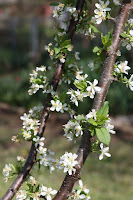
The push to plant milkweed in home gardens to save Monarch Butterflies from extinction is working. Now it’s time to focus on saving bees. The flowers on native trees play a big role in providing food and habitat for endangered native bees. This cool weather is the best time to plant trees.  These are some bee-favorites - American Basswood, Tilia Americana, is native in the US  from New England through Northeast Oklahoma and South Carolina. Basswood likes humid summers, cold winters and 20-40 inches of rain annually. The edible flowers produce high quality honey. Related to Rose of Sharon, Linden and Mallow.  Southern Magnolia,  Magnolia grand flora, and Sweetbay Magnolia, Magnolia virginiana, are native from MA through OK and TX, especially in wet areas and swamps.  These full sun to part-shade trees flower early summer. They mature at 30 to 50 feet tall with a 20 foot spread.  Cherry and Plum, Prunus species (Chokecherry, Prunus virgi...

Sand Plum is Chickasaw Plum, Sand Hill Plum, Mountain Cherry, Prunus angustifolia

Image
Prunus angustifolia has many names but is delicious both for wildlife and human consumption.  Fall in the Ozarks We drove over to Arkansas a few days ago to visit Pine Ridge Gardens and buy a few shrubs for our back acre where we have fruit and food for wildlife.  Native Sand Plums Sand Plums are a great source of jelly making fruit if you can get any before wildlife takes them all. Chickasaw plum plants grow 15 feet tall and wide in a twiggy form. The bark is black and the stems are reddish.  MaryAnn King and Candy Feb through May, small white flowers and little red plums appear. The flowers have five white petals with reddish or orange anthers. The plums are cherry-like and tend to be quite tart until they fully ripen later in the summer. Chickasaw Plums thrive in low water, loose, sandy soil with sun to part-shade. The ones I planted two years ago have died without forming clumps because the area became too shady. Native range Prunus angustifolia ...

Wild Plum - Prunus angustifolia, Purnus Americana, Wild Plum - Spring flowering shrubs and trees

Image
Native plum tree bark As I walk around our yard in the morning with camera in hand, I see many lovely little and mid-size plants that I can no longer exactly identify. Did the birds plant that or did we? I thought these were little native plum trees, Prunus Americana , that we planted along the south fence-line to soften the view of our neighbor's gigantic metal building with a pile of tires so high we can see it from the hammocks in the summer. However, now I'm pretty sure they are our native Sand Plums,  Prunus  angustifolia   instead.  Here's a handy link from the Washington Native Plant Society with photos of dozens of spring flowering trees and shrubs to help you identify what the birds planted in your beds and fence-line! My dream is that in a couple of years the native plums will at least block the tire pile though they will always remain too short to block the building and yet small enough to not grow into the power lines along the property line....