Posts

Showing posts with the label pollinator friendly landscaping

Experienced Bees Do Not Like to Share

In a university study, an entomologist found that experienced bees prefer not to share with newly hatched bees. You can click over to http://news.uoguelph.ca/2016/03/experienced-bumblebees-wont-share-newbies-study/ and read the article. It's fascinating that anyone figured out how to study the phenomenon! Here are some excerpts: “Understanding how bees find and compete for flowers in the landscape is a critical first step to conserving these insects and the essential pollination services they provide to crops and wild plants,” said Raine, who holds the Rebanks Family Chair in Pollinator Conservation. Like other pollinators, bees face complex routing challenges when collecting nectar and pollen. This includes learning how to link patches of flowers together in the most efficient way to minimize travel and distance, the study said. Figuring out an optimal route takes time and experience. The researchers wondered whether bees copy others’ flower visitation sequences in the...
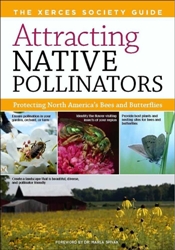
Native pollinators - help them thrive!

Image
Bees are responsible for the pollination of every third bite of food you take and sip of juice you drink. Other insects such as flies, moths, butterflies and beetles pollinate the rest. We help ourselves by providing nectar for bees and protecting them from harmful gardening practices. Intuitively, we can assume that pesticides and other insect poisons used on and around plants will kill bees. But, in fact, herbicides and weed killers do just as much damage to North American native bees and bee colonies. North America’s bees range in size from one-twelfth of an inch to one inch long. Some bees live in colonies; others live alone. Some bees live in hollow plant material and others dig tunnels in the ground to make nests. Five of the seven families of bees are common in American gardens. Altogether, there are around 20,000 species of bees in the world; and, 4,000 of those species live in America. Warm, dry climates such as CA are home to 2,000 species. But the rest of us have more t...