Posts

Showing posts with the label collect seeds in fall

Get Ready for Next Year This Fall

Image
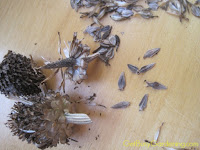
Five Star Hibiscus seed pod I'm collecting seeds almost daily now. This week Jon grabbed the seed pods of the Chinese Parasol Tree. The Five Star Hibiscus has to be checked a couple of times a week so the seeds don't just drop to the ground. Fall is such an exciting time of year. The migrating birds are returning, garlic is planted, daffodils are peeking out of the soil for a sunshine snack and I'm planning next year's gardens. Chinese Parasol Tree seeds with pods  In addition to collecting seeds and visualizing where I'll plant the seedlings next year, I'm deciding what to take clippings of to overwinter in the shed. I'm already digging lilies, dividing the bulbs and replanting them around the various beds. Soon it will be time to divide the Hemerocalis - Day Lilies. What will you be collecting to make next year's garden gorgeous? 
Save Seeds Now for Next Year

Image
Gardeners who save seed from their favorite flowers, herbs and vegetables from year to year are ensuring that their garden will please them. The seeds we choose to save are our favorite variety from the best plants, which means that they will be an improvement on the ones purchased. Of course, money is saved by collecting your own seeds particularly if you usually purchase specialty seeds by mail order and add in the shipping costs. Over years of saving only the best, the seeds available for the next season’s garden will produce top quality heirloom plants that are acclimated to your weather, water availability and climate, plus GMO-free.    Save the seeds of plants with the qualities you prefer: Color, disease resistance, when they bear flowers or fruit, insect protection, size, length of storage in vase or basement, texture and yield. Annuals are the easiest to save. Snip and save the seed heads of zinnias, cosmos, marigolds, petunias, columbine, dill, parsl...

September is a Busy Month for Gardeners!

Image
September is a busy month for gardeners. Here is a checklist of things to do. Avoid spraying plants where butterfly caterpillars are feeding. Walk around the garden with pruners and insecticidal soap in hand. Check for insects and diseases, taking care of things as you see them. Watch for butterfly caterpillars and avoid spraying insecticide on plants where they are feeding. Collect seeds of butterfly weed, zinnias, vining black-eyed Susan, marigold, morning glory, 4-O’Clocks, peppers, tomatoes, coriander, basil, coreopsis, Rudbeckias, sunflowers, rue, etc. Harvest herbs to dry, freeze and make into products. Pick fall fruit in the evening to avoid insects such as wasps. Identify perennials to divide when the weather cools, including: Daylilies, Asiatic lilies, peony, tall garden phlox, iris, lily of the valley, dahlias, ornamental grass, etc. Take stem cuttings of tender plants that you want to put out again next year. This list includes coleus, lave...