Posts

Showing posts with the label Oklahoma Native Plant Society

Native Plant Society Events

The Oklahoma Native Plant Society upcoming events - August 27  - SW Chapter joint meeting  with OK Archeological Society Bob Blasing will give a talk. The title is:  "How Early Great Plains Tribes Used Seasonal Travel to Obtain Resources ". The meeting is booked at the Museum of the Great Plains for  Saturday August 27th , at  2:00 P.M.  Refreshments will be provided. September 1st  - Central Chapter meeting at the OSU-OKC horticulture building at  7pm . Marilyn Stewart will give a talk on  Weird and Wonderful Natives of Oklahoma.  The owner of Wildthings Nursery, her full time + job and interest is in Oklahoma native plants. She is an expert in the field; her talk should be both informative and fun. Bring a friend and come join us. September 11th  - There will be a native grass outing/ field trip at the Martin Nature Park, 5000 W. Memorial, OKC on  Sunday, September 11th at 2:30 . Bill Bennett, a volunteer at Martin Park,...
Native Plants of Oklahoma

Image
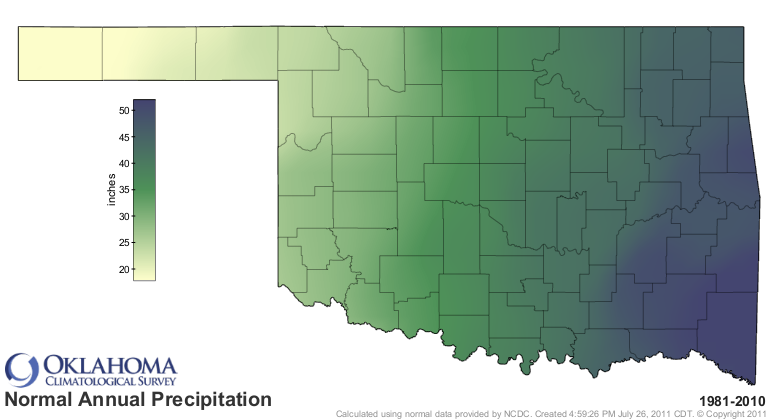
Many states in the US have similar climates and similar native plants. As in many locations across the country, Oklahoma's native plants have paid no attention to the state borders invented by legislators and are identical or similar to those found in other locations. The entire state is part of the drainage basin of the Mississippi River. In northeast OK, the types of plants that thrive are different from those that thrive in southeast, northwest and central parts of the state. Here the average annual rainfall has historically been 40-inches or more. Elevation Map The Muskogee/Tulsa area is just a few hundred feet above sea level. Temperatures averages also vary widely across the state. Naturally, our native plant varieties, frequency and bloom times also vary. Yesterday a group of Oklahoma Native Plant Society members, friends and guests were invited by Pam and Randy Ledford to walk a slice of their beautiful property near Pawnee OK. Several knowledgeable members...

Gypsum - Some Plants Love It!

Image
Gypsum outcroppings Northwestern Oklahoma and West Texas soil, like New Mexico’s Chihuahuan Desert, was formed 220 to 270 million years ago when the area was under water. These locations have islands of Gypsum, Dolomite and Shale deposits from when they were ocean floor. Gypsum (hydrated calcium sulfate), is the primary ingredient in plaster of Paris and wallboard – a difficult, low-nutrient, environment for plant life. The seeds of most weeds and non-native plants cannot grow in it. Among the native plants, there are a few called True Gypsophiles that grow only on gypsum outcrops and gypsum-rich soil. ( For more scientific information about Gypsophiles, see http://tiny.cc/r4cmnw at Oberlin College.)  Gypsum-loving plants include: Bougainvillea, Angel Trumpet, Bicolor Mustard, Fiddleleaf, Sandwort, Prickly Poppy, Blanket Flowers, Prairie Dropseed, and several native Daisies, Sunflowers and Asters. In September, the Oklahoma Native Plant Society held its annual me...

ONPS - OK Native Plant Society

The newsletter of the Oklahoma Native Plant Society, http://www.oknativeplants.org , is called "Gaillardia" and the Winter 2011 issue has some tidbits of interest. Feb 4th is the annual Indoor Outing at Oklahoma City University - On site registration at 8:30 and the day ends at 3. Cost $5 Speakers include: Bruce Hoagland, Al Sutherland, Karen Hickman and Pat Folley. Information: Joe Roberts at 405-820-6851 Pat Folley, author of  " The Guide to Oklahoma Wildflowers ", wrote an entertaining piece for Gaillardia about an adventure she had with a few friends. They traveled to Box, Oklahoma in search of wildflowers and the road sign that says "Edge of the Earth" and found it all. Here's my review of Folley's book. Sheila Strawn, Managing Editor of the OK Native Plant Record has been working on that project for 10-years. You can access that publication, plus links to info on Color OK, OK Biological Survey , OK Invasive Plant Council, and OK Aca...

Oklahoma Native Plant Society Indoor Outing, Saturday February 7, at the Tulsa Garden Center

Get on this and get your pre-registration form sent in before Jan 23! Here is a link to the registration form. Welcome and on site registration at 8:30 a.m. Presentations at 9:00 a.m. tours of areas surrounding the Garden Center ending at 3:00 p.m. This major event sponsored annually by ONPS is hosted each year on a rotating basis by one of the four chapters of the Society: Central Chapter (Oklahoma City), Northeast Chapter (Tulsa), Crosstimbers Chapter (Stillwater), and Mycology Chapter (Edmond). The theme for the Tulsa event is Birds, Butterflies, Bees, Blankets, and Beautiful Oklahoma. Keynote speaker will be Mike Klemme, official photographer for the Oklahoma Centennial celebration in 2007 and photo/author of the book CELEBRATING OKLAHOMA. Other speakers will include James Thayer (Gardening for Butterflies), Dr. Kay Backues (Bees and Beekeeping) Sutton Avian Research Center staff member Dan Reinking (Oklahoma Bald Eagle Winter Populations), and Linda Harkey (Utilizing Natural ...

Wildflower Workshops in Idabel

Image
Friday September 26th and 27th the Oklahoma Native Plant Society Wildflower Workshop will be held in Idabel Oklahoma Native plants are part of Oklahoma’s heritage and many organizations, such as the Oklahoma Native Plant Society, work to preserve them for future generations. Learning about Oklahoma’s native environment and planting natives in our gardens are two ways individuals can participate in preservation. Using native woodland gardens, wetland areas, native trees, grasses and flowers, reduce the amount of work you have to do to keep your surroundings beautiful. Native plants are easier to grow and maintain than the imports from Europe and Asia because they adapt more easily to our weather extremes and soils. After they are established they require fewer chemicals and water. These plants support the wildlife native to our area since they are already evolved to live in their shelter. In every area, as more development occurs, natural habitat decreases. The preservation and new plan...