Posts

Showing posts with the label Soilutions

Recycle Food Waste - Become a Microbe Farmer!

Image
At our Muskogee, OK, home, we recycle food in worm bins and a compost heap. My brother, Misch Lehrer, recycles Albuquerque's municipal food and municipal waste at Soilutions (Soilutions, Inc. 505-877-0220).  (The Soilutions recycling blog is at http://soilutions.blogspot.com/ with interesting articles posted.) Here's how they are keeping food out of the landfill. "From Fork To Farm : CafĂ©'s Food-Waste Composting Program Keeps Leftovers Out Of The Landfill". "Soilutions picks up anything that has been alive," said Misch Lehrer, Soilutions manager. They accept food waste from many area businesses and organizations, such as Whole Foods Market Inc., the Hyatt Regency Tamaya Resort &Spa, the University of New Mexico and Central New Mexico Community College, Lehrer said. Soilutions also accepts manure and straw from area farms, as well as dead and wilted flowers from local flower shops. Additionally, Soilutions harvests scraps from one-time events...
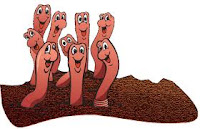
Make worm compost for a healthy garden

Image
Making compost for our gardens is as simple as finding a shady place to make a pile of leaves, plant trimmings and grass clippings. Left alone, a heap compost pile will produce a soil additive that builds plant-protective beneficial micro-organisms and encourages worms to till the soil for you. A compost pile that is turned and watered will produce finished compost more quickly but the quality of the finished product will be about the same. Our compost pile is surrounded with a stack of cinder blocks to hold the contents in place. Other frames can be made of discarded pallets, a wire cattle panel, or chicken wire. The easiest method, incorporation, or composting in place, uses no pile or bin. Holes are dug in the garden and non-protein, non-fatty kitchen and food waste is buried. In a month or more, the waste breaks down and contributes to the soil, fertilizing future plantings. Any area that is not being used to grow plants can be put into service. The hole has to be ...

Autumn Leaves Become Compost Thanks to Microbes

Image
Leaves in autumn colors of red, yellow, orange and brown are falling. There was a time that piles were made in yards and on the street for children to play in. Nothing could compare with jumping in them and it was a sad day when they were burned for the season. Today, leaf piles are still fun for kids to play in but for the most part they are no longer burned. Now we know that burning leaves creates fire danger, smoke and environmental hazards. Also, we have learned that composted leaves are one of the best nutritional tonics for our gardens. Fall leaves, composted and dug into your garden will improve the soil and keep it productive longer each year. Digging in the compost makes gardening less expensive because less water and fertilizer are needed. A simple compost bin can be set up in an area that is only 3-feet by 3-feet. Leaves are high in carbon and low in nitrogen, so add nitrogen. Use fertilizer or organic matter such as grass clippings, manure, garden debris such as weeds, or g...