Posts

Showing posts with the label Monarda

Divide your spring-blooming perennials now

Image
Fall is a great time to rejuvenate the garden by dividing spring-blooming perennials. The plants will be healthier and bloom more next spring plus you get the added benefit of having more plants to fill in the bare spots. Healthy plants grow new roots and shoot every spring and summer. If they are not divided, they compete for sun, airflow, nutrients and room in the ground. Perennial roots grow during the winter months and ideally, all the replanting will be completed a month before the ground freezes. Water the soil the night before. After digging, the roots can be soaked in a tub of water to remove the soil. Sometimes even soaking is not enough and the roots have to be pruned in order to separate the clump into planting-size pieces. Use a sharp, clean tool to make the cuts. Tool blades can be dipped in 10-percent chlorine bleach solution or white vinegar to kill any fungus on the blades. Fast- growing plants such as False Spirea, Astilbe, separate easily. Cut through...
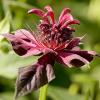
Herb of the year is Monarda, Oswego Tea, Horse Mint, Wild Oregano, Bergamot, Bee Balm

Image
West Coast Seeds The Herb Society of America's Notable Native Herb of 2013 is a plant of many names including its Latin name Monarda fistulosa , Oswego Tea, Bergamot, Wild Oregano, Horse Mint and Bee Balm. The plant I started from a pack of seeds a dozen years ago is still going strong. The reason I planted it originally is because the seed pack said Bergamot. I love Earl Grey tea which is flavored with Bergamot so I knew I would enjoy the scent of the leaves in the garden. Of course, the pollinator feeding aspect of Bee Balm is a double bonus. The flowers are covered with bees and butterflies in the summer. This is one herb that is native to practically the entire continental U.S. It has been used medicinally for hundreds of years. Now, in the kitchen, it is used as an oregano substitute. But, did you know that the roots are also beneficial? The Grower's Exchange said, "A very helpful companion plant, the Thymol contained in the plant's roots keep subter...