Posts

Showing posts with the label Swan Plant

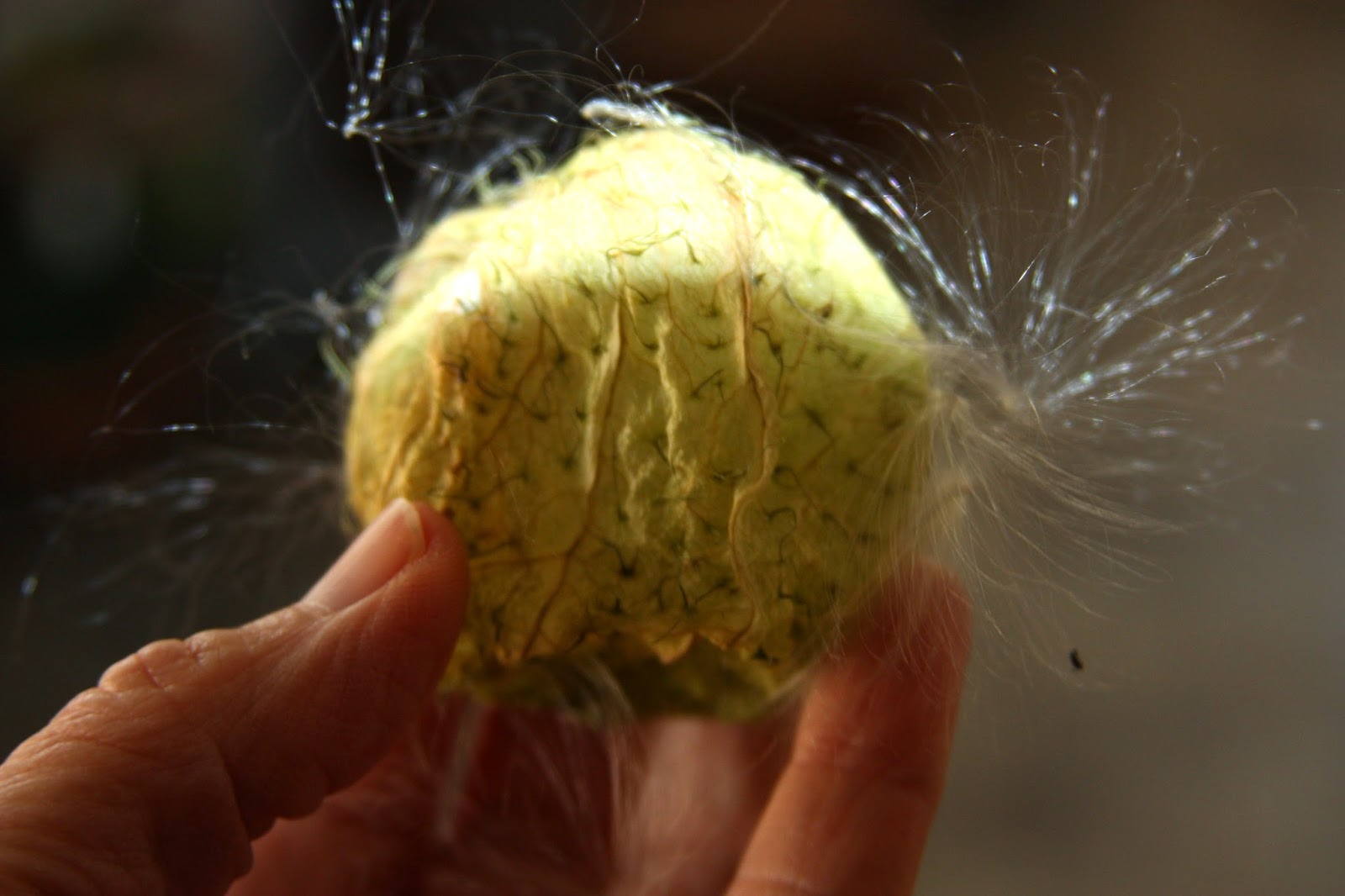
Balloon Milkweed was Asclepias physocarpus now Gomphocarpus physocarpus
Image
Monarch butterflies are endangered due to applications of round up and similar products, the clearing of land in Oklahoma and extensive tree removal in Mexico. Family Jewels pod We are all being asked to help by planting milkweed. Any variety will do as long as it is planted in swaths large enough to feed caterpillars. The plants don't have to bloom as long as you have water/mud and other nectar providing flowers available for the adults to eat and drink. Balloon Milkweed inside the pod In our yard-garden I've seen the adults nectaring on many different flowers but they do seem to love the weedy, native flowering plants more than the tidy ones. Of all this plant's names, I think I like Family Jewels the best since in addition to the appearance of the pods (ahem), I imagine that the plants will be jewels in our garden, feeding lots and lots of caterpillars this summer. Swan plant seeds We usually plant tropical milkweed, Asclepias Tuberosa, as it's t...

Start Seeds Now to Attract Butterflies to Your Garden This Summer

Image
Monarch Watch is restocked on their Monarch Butterfly Waystation Kits. You don't have to become an official stop for migrating Monarchs in order to plant the seeds and enjoy the view. Use the discount coupon code 2008SEED to get 15% off Monarch Waystation Seed Kits. Each Kit includes 12 seeds of 12 plants. Six of the plants are for adult butterfly nectar and the other six are to feed caterpillars. These host plants are where the adults lay eggs and are the plants the caterpillar stage Monarchs eat in order to grow into butterflies. MILKWEEDS are both host and nectar plants. Aphids love them, so put them in full sun. The information from Monarch Watch on the contents of the seed packs: BUTTERFLY WEED (Asclepias tuberosa) Perennial; Height: 1 to 2 feet; Blooms summer/fall. Attractive prairie plant with orange clusters of dainty flowers. Attracts butterflies. This drought-tolerant plant blooms from June to September. Host plant for monarch and queen larvae. For best germination rates...