Posts

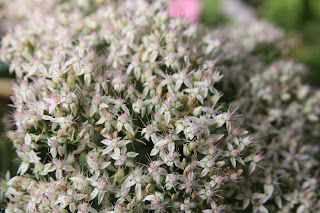
Can you help identify this mystery plant?

Image
Several of these were planted by birds or the wind and the little flowers are loved by tiny insects and pollinators. The stems smell sort of like turpentine, not dissimilar from some salvias though these have round not square stems. The plants are watered so they have grown to 4-feet tall in our back garden. Any ideas?

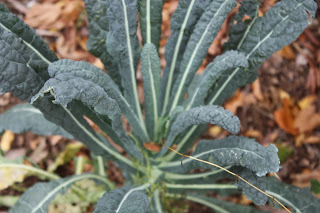
Kales and Chards - the best fall planted crops for zone 7

Image
In our area, zone 7 Northeast Oklahoma USA it is still 80 during the sunny days, though in the 50s and 60s at night. The butterflies, skippers, wasps and bees are in their most productive season here - and so are gardeners who love fall and early winter greens from the garden. Kale, chard, beets and other leafy greens can still be planted and harvested before our first hard freeze. And, with a decent mulch around the roots, salads and sandwich greens often last until January. We've served them at a New Year's Day open house in the past. Red Russian, Siberian, Lacinato, Blue Curled have all worked well for me in the past - see http://www.seedsavers.org/onlinestore/?search=kale&ext=F   For chards, check out Seeds of Italy's assortment at http://www.growitalian.com/categories/Vegetables/Chard/  - they give you lots of seeds per pack!   Of course, as they say in the investing world, past performance bears no relevance to future performance. For us...

New Plants for 2014

Image
The 2013 garden year is ending and the new plants for 2014 are being announced by plant propagators and growers. There are some real beauties in all categories – here is a sampling. Sweet Spot Decorator Roses are compact new varieties that mature at only 16 to 24-inches tall and wide. They are cold hardy to zone 5, bloom all summer, and have been bred for disease resistance and drought tolerance. Four colors will be released in 2014:   Sweet Spot Yellow, Ruby, Peach and Calypso. You can get a sneak peek at www.tesselaar.com/plants/sweet-spot-roses/ . SuperCal the All Weather Petunia is being introduced by Sakata. SuperCal petunias come in 11 colors for trailing in baskets or upright for flower beds. This new hybrid survives heat and light frost, as well as heavy rain. The plant breeder Sakata Seeds set up www.supercalpetunia.com where you can see it in pots and flower beds. Double Take Geraniums, new from Selecta, have double flowers in red, pink, scarlet, white and pi...

Divide Asiatic Lilies in the fall

Image
This is a really good time to divide Asiatic Lily bulbs, both to increase flowering next summer and to spread them throughout your garden! There is very little work to it and simply dividing and watering in this fall will result in more beauty for next summer. Now that the leaves have yellowed, you can still see where they are. Grab a shovel and a bucket to hold the bulbs and go out there. Start in one section of the garden where the plants are still standing, working your way through the beds over a series of days if necessary. Put the shovel in the ground a few inches out from the main stem so you get the bulbils still attached when you lift the dirt. Then, cut off the stem an inch above the soil. Dump your dig onto newspaper and separate the mother bulb from the children. Do not compost any stems with fungus on them. Here's a how-to video from Ken at www.lilyflowerstore.com https://www.youtube.com/watch?v=GOLBduaaurg You can replant all the children or only the largest...

Stonecrop or Sedum Pure Joy!

Image
Sedum Autumn Joy is one of my garden favorites. The flowers at this time of year are pink and they will deepen to a rusty magenta color before the first hard freeze. Skippers, butterflies and other pollinators love sedum flowers - there isn't much pollen around when these are blooming. When the seeds follow the flowers, watch the birds come to snack. The photo is of the new Sedum Pure Joy named for the pink flowers. The leaves and stems are blue-green, and the plant has a mounding form that reaches 10 inches tall and spreads 20 inches across. Plant each quart container 15 to 20 inches apart. I've been dividing and multiplying my Autumn Joy for a decade and it has a prime place in more than one bed. Sedums are also good for driveways, foundation, path, and rock garden beds. Cold hardy in zones 3 to 9; heat and road salt tolerant, too.  According to Wayside Gardens , Brent Horvath of Intrinsic Perennials is responsible for this new introduction. Intrin...

Cold Hardy zones, Heat Zones and Climate Zones

Selecting the right plants and plant varieties for our gardens makes the difference between planting whatever looks good and building a garden that gives beauty and satisfaction for years with little trouble to the gardener. Most plant tags and plant catalogs provide the USDA cold hardiness zones, along with standard information such as the ideal sun or shade location, mature plant height and width, and some cultural tips such as water needs. They are provided in order to help gardeners be successful with their plant selections and gardening success. The USDA cold hardiness zone map, at http://1.usa.gov/znDthG , is widely used by growers and gardeners to decide whether a plant will survive a normal winter outside. The ten zones are based on average annual minimum winter temperatures. Each zone represents 10-degrees difference from the next zone up or down the scale. The zone number refers only to an average winter temperature range. If you have been gardening for a few year...

Snow on the Mountain, native Euphorbia marginata

Image
Snow-On-The-Mountain, Euphorbia marginata is an American annual that is native across most of the U.S and Canada. The variegated leaves and attraction for pollinators make it a must have in our native gardens. The plants make a conspicuous show, rising to 3-4 feet tall in our flower beds by this time of year.  Our first plants came in with a load of composted soil we purchased from a local supplier. When they first started emerging, I paged through page after page in the seedling books and concluded that it was okra - pink stems, etc. As with all Euphorbias the sap in the stems can cause skin rash or burn so be careful until you know whether or not you are sensitive. North Carolina State University reminds us that it is not to be eaten since it is poisonous. At Robb's Plants , they call it Summer Icicle - lovely name. And, at Sunny Gardens , they say one of its names is Ghost Plant. The plants are fairly nondescript until early fall when the inflorescences/b...